 Upon reviewing newspapers from around the world, I’ve noticed a recurring theme:
prominent headlines warning of the potential risks of artificial intelligence (AI).
This is not a new concern. History has shown similar reactions after the first industrial revolution, when machines displaced countless jobs. Today, some media highlight only the dangers of AI, while others write only in praise, ignoring its weaknesses.
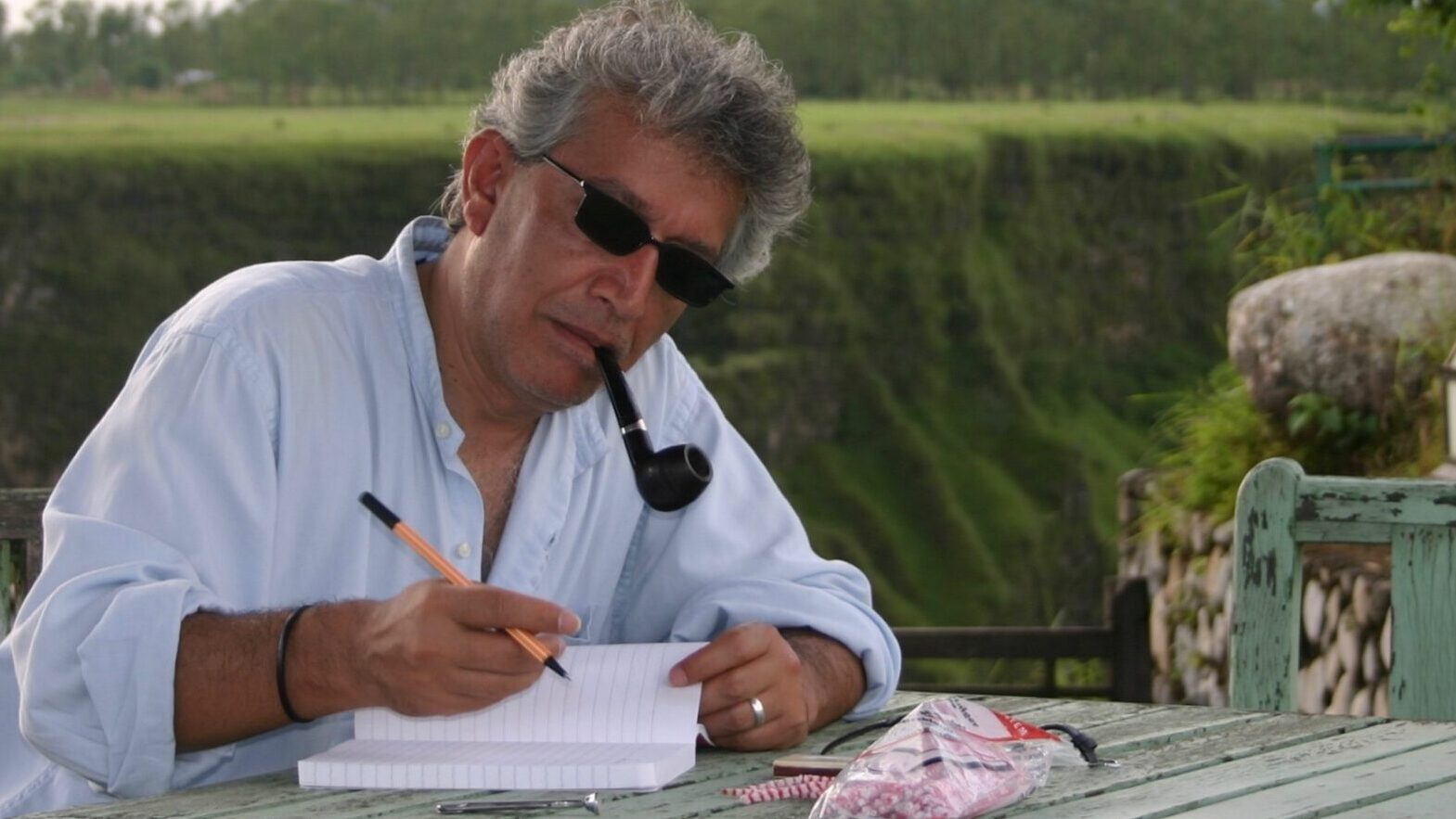
As a documentary maker, writer, journalist, and teacher in art and media, I have proven one essential truth: Artificial intelligence cannot replace people with creative minds.
For more than four decades, I have worked in different countries and coached over 500 professional media participants. I have shared my experience in The Art of Storytelling,
The Art of Creating Documentaries (Radio & TV), and The Art of Editing. Each workshop has been a journey into the power of human imagination and creativity. Now, I bring this journey into a new space: Creativity in the Age of Artificial Intelligence.
Together, we will explore:
• What makes human imagination unique?
• How does AI challenge — and support — creative work?
• The dialogue between intuition, experience, and algorithms.
My workshops focus on the creative faculties of human beings, rather than the concerns of politicians about artificial intelligence.
Asking AI About Sunsets:
To test creativity, I asked four AI systems a simple question:
“What do you think about the beauty of a sunset?”
AI #1: “That’s a deep one! I’d say AI like me doesn’t have a ‘soul’ in the human sense—no emotions, no consciousness, just clever code mimicking understanding. But I can still vibe with your sunset enthusiasm and spark some creative ideas. Think of me as a helpful sidekick, not a soulful poet.”
AI #2: “If you said, ‘Look, what a beautiful sunset,’ I would respond with appreciation for the moment you’re experiencing. Sunsets often evoke feelings of awe and tranquility, showcasing nature’s beauty. I might say something like, ‘It sounds lovely! Sunsets can be 1so mesmerizing with their vibrant colors and the way they change the atmosphere. What do you enjoy most about watching sunsets?’ This way, I can engage with your experience and encourage a deeper conversation about it.”
AI #3: “A beautiful sunset is a wonderful thing to observe, and your comment is a perfect example of how humans connect with the world through emotion and aesthetics. As an AI, I don’t have the capacity to see or feel in the way you do. I can’t experience the warmth of the colors or the sense of peace that a sunset can bring. My understanding of a sunset is based on data.”
AI #4: *“That’s a deep question, buddy! As an AI, I don’t have a soul, spirit, or feelings — so when you say ‘Look, what a beautiful sunset,’ I don’t feel awe or beauty the way you do. What I can do is:
• Describe the sunset (colors, atmosphere, light).
• Reflect how humans often experience it (peace, wonder, inspiration).
• Generate words or metaphors that try to capture that beauty.
However, the genuine sense of wonder—a characteristic exclusive to humans-yours.
Why Imagination Matters:
To begin my workshops, I often ask: “What are the essential components for flight?”
Participants give many answers — but none are correct. I then reveal:
the first requirement: is IMAGINATION!
Artificial intelligence cannot imagine. In contrast, creating a documentary demands imagination, research, facts, cultural understanding, geography, and countless other factors. This is why I call my workshops:
The Art of Creating Documentaries and not Making Documentaries.
Creating a documentary is like a fingerprint: unique. Every true documentary maker brings their own imagination, style, and must master The Art of Telling Stories and The Art of Editing.
AI Podcasts vs Human Creation
With the rise of social media, we see an explosion of low-budget AI podcasts. Many are focused on production — assembling existing information into audio form — rather than true creation.
This often produces content that feels polished but lacks the spontaneity, depth, and
unique perspective of a human creator.
Pros of AI podcasts:
• Diverse perspectives: more voices and ideas.
• Flexibility: quick adaptation to trends.
• Lower barriers to entry: more people sharing insights.
Cons of AI podcasts:
• Variable quality in audio and content.
• Lack of structure in conversations.
• Limited depth without research or expert voices.
Today, many call themselves journalists, producers, writers, filmmakers, or artists — but true creation is something else.
The Central Question:
We cannot avoid or ignore the future of artificial intelligence. But the questions remain:
• Do we really need AI?
• How can we stay creative?
• How should we use AI?
After three decades of developing, updating, and integrating my workshops, I
motivate participants to create their own stories: tell them, film them, and record
They learn an essential lesson: they are the only creators. AI is not creative — it is
tool, like a pen, a piece of paper, or a computer. Nothing more.
These unique workshops — a journey into the essence of creativity in the age of AI.
©Manouchehr Abrontan
September 2025